
Reading time: 4 minutes
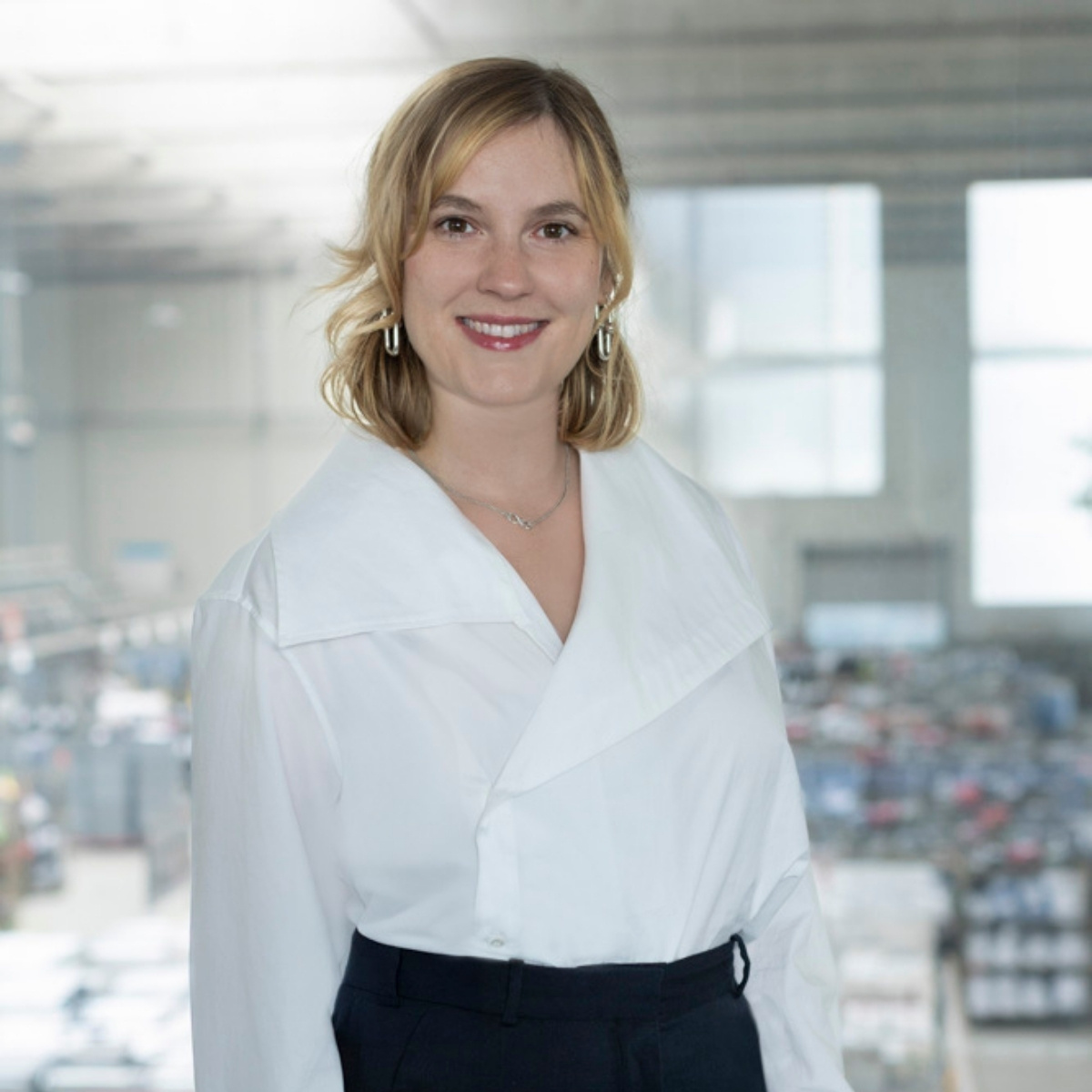
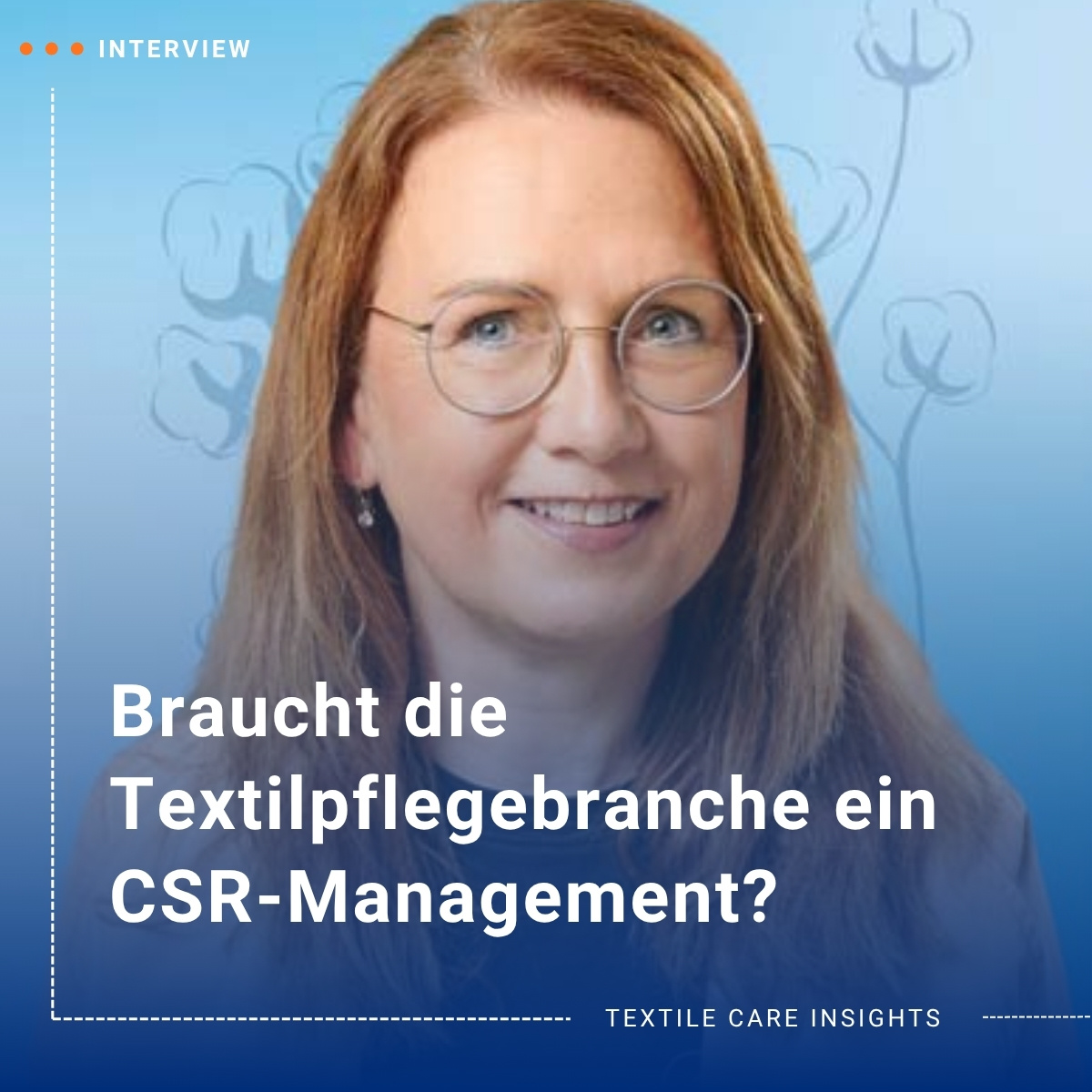
Large textile rental service providers are facing increasingly stringent environmental and social regulations, including the Corporate Sustainability Reporting Directive (CSRD) and due diligence requirements throughout the supply chain. As these obligations grow, corporate social responsibility (CSR) has become a key strategic priority. Sustainable business practices help minimise environmental and social impacts across the production, use and end-of-life phases of textiles, strengthening the industry's long-term resilience. In this interview, Leonie Biesen of international full-service provider CWS Workwear (Dreieich, Germany) shares her personal motivation as well as the responsibilities and challenges that shape her role in sustainability.
Does a company need CSR management and, if so, why? What are the benefits?
Yes. At CWS Workwear, ESG is important because sustainability is embedded in our business model and forms part of our corporate DNA. Our Workwear as a Service model is based on the principles of the circular economy: garments are worn, professionally laundered, repaired and reused instead of being discarded after a single use. For this model to be effective, environmental, social and economic aspects must be managed together. Today, our customers expect measurable sustainability performance that they can incorporate into their own ESG strategies. That is why ESG is not an add-on for us, but a key value driver and an important differentiator, particularly in the B2B market and in tender processes. At the same time, ESG helps us identify supply chain risks at an early stage and improve operational efficiency, for example by reducing water and energy consumption in our industrial laundries.
Since when has the company had a dedicated CSR position?
Sustainability has been an integral part of CWS Workwear for decades, although the responsibilities have become increasingly complex over time. I took on this role at a time when ESG was evolving from a collection of operational initiatives into a clearly defined strategic function. Since 2023, I have been fully responsible for Sustainability & ESG at CWS Workwear and have continuously expanded the team's expertise. My role is strategically focused, closely aligned with senior management and has an impact across the entire organisation.
What are the main responsibilities of CSR management?
I am responsible for overseeing our ESG strategy, which is built around three pillars. Circularity (E) focuses on the circular economy, including decarbonisation, resource management, repair and reuse. Empowerment (S) centres on fair working conditions, employee development and partnerships. Responsibility (G) covers governance, compliance and transparent data.
My responsibilities include developing and implementing ESG targets, making our processes more climate-friendly, including SBTi validation, advancing sustainable products and services, investing in renewable energy, electrifying our service fleet, managing supply chains and overseeing ESG reporting. Resource-efficient laundries, garment repair and extending the lifespan of workwear are particularly important to us. Every year, we repair more than 2.4 million garments.
Can CSR management influence environmental, economic and social development within the company and across the textile value chain?
Yes. At CWS Workwear, CSR and ESG have a direct influence on business decisions. This is most evident in our business model itself: by focusing on circular service models, we reduce textile consumption while strengthening customer loyalty. Sustainability and business success are not mutually exclusive - they go hand in hand.
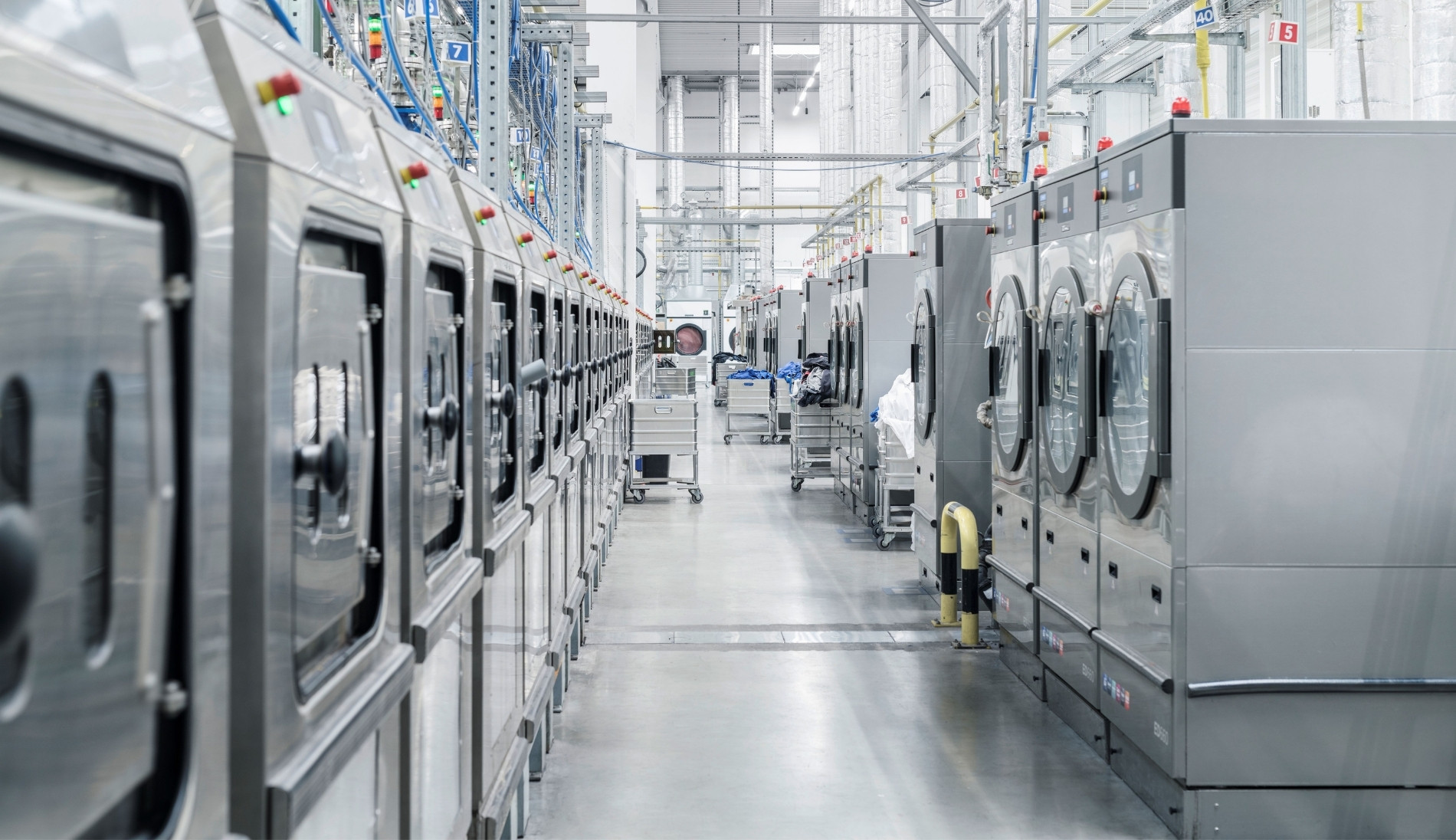
Another example is product design. We focus on durable, repairable textiles and more sustainable materials such as Cotton made in Africa. We also invest in modern industrial laundries that consume less water, energy and chemicals. In this way, ESG improves both our environmental performance and our economic efficiency.

How does the company communicate its CSR commitment internally and externally? How do customers respond to these efforts?
Our ESG goals are firmly embedded in our overall business strategy and are therefore relevant to employees across the organisation. Through our Training Academy and mandatory online courses, we ensure that sustainability expertise is not only developed within my team but is embedded throughout the entire company.
Externally, we communicate our progress transparently through our annual Responsibility Report and practical tools such as our free emissions calculator. We receive very positive feedback from customers because we help them improve their carbon footprint and meet compliance requirements. This also gives them a measurable advantage when competing in tender processes.
What factors limit a company’s CSR efforts?
Our Workwear as a Service model provides an excellent foundation for sustainable business practices. At the same time, our scope for action also depends on factors beyond our direct control. For example, certified fibres and recycled raw materials are not always available in the quantities we need or at economically viable prices. That is why we focus on the areas we can influence, build long-term partnerships and work closely with our suppliers to increase the use of these materials. In doing so, we combine environmental responsibility with economic viability. After all, sustainable solutions can only become established in the market if they remain competitively priced. Together with our suppliers, we are also increasing transparency throughout the supply chain, further developing social and environmental standards and strengthening circularity.
What do you see as the key future responsibilities of CSR management?
Our ESG agenda will remain ambitious. Key priorities include implementing new reporting requirements such as the Corporate Sustainability Reporting Directive (CSRD), which presents both a challenge for our industry and an opportunity to make sustainability performance more transparent and comparable. Another major task is the decarbonisation of the entire value chain and the expansion of truly circular textile systems. Achieving this requires reliable ESG data and an even stronger integration of sustainability into both our service model and our customer offerings.
If you had the opportunity, what would you change or improve when it comes to CSR?
If I could change anything, I would focus on three priorities: harmonised and therefore comparable ESG data standards, scaling circular solutions across the entire industry, and closer collaboration with suppliers to reduce emissions. I would also advocate for sustainable solutions to be rewarded economically in the marketplace. As long as sustainability does not provide a competitive advantage, the incentive for meaningful change will remain limited.
What do you personally enjoy most about your role?
What I appreciate most is that sustainability at CWS Workwear is not an abstract concept but something that is visible in our day-to-day operations. Our service model keeps garments in circulation instead of sending them to waste, while water, energy and chemical use in our laundries is continuously optimised and repair is the norm rather than the exception. The result is real, measurable impact. This direct opportunity to make a difference, combined with strategic responsibility and hands-on implementation, is what makes my role particularly rewarding.