
Reading time: 2 minutes
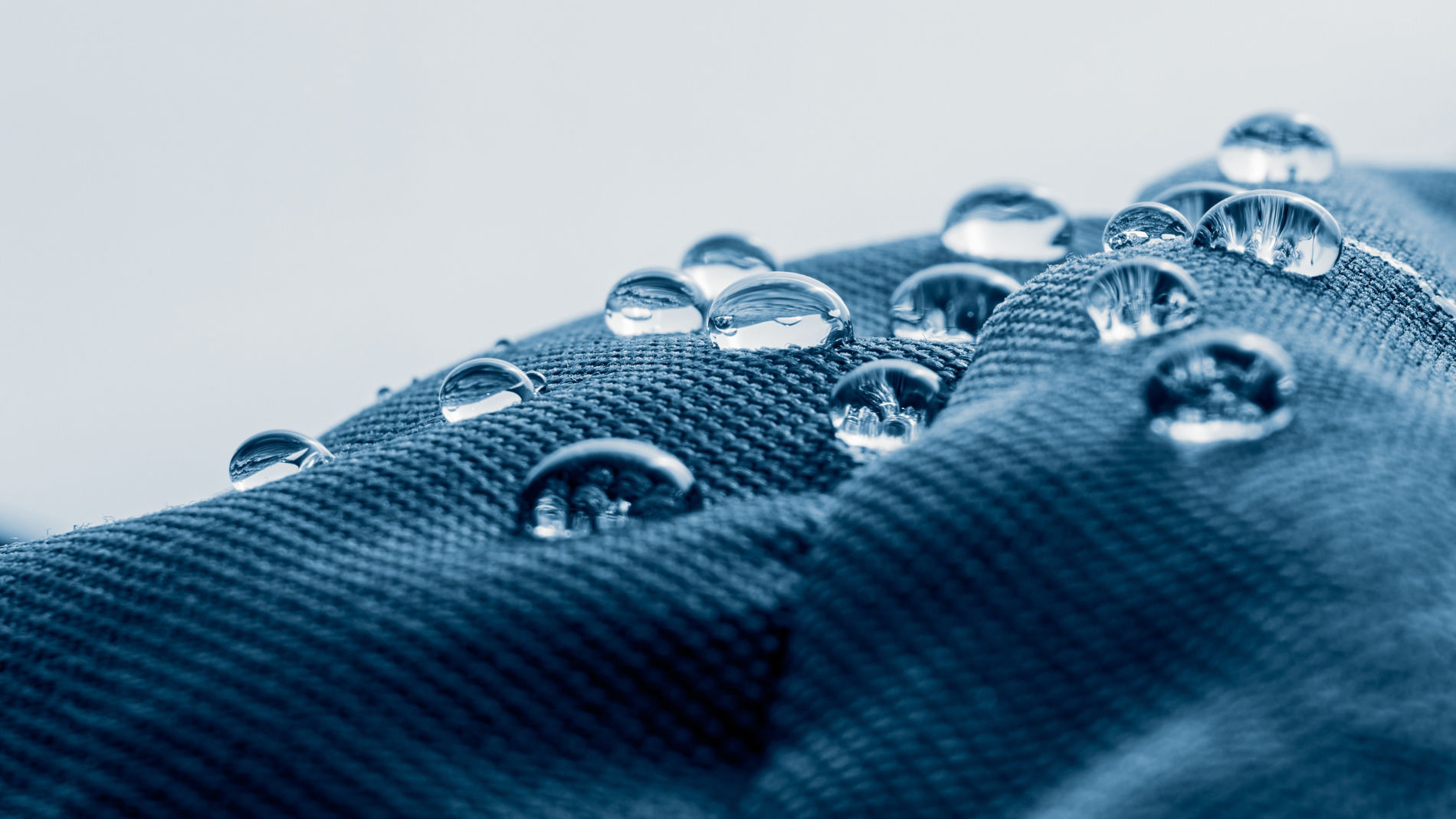
For various types of protective clothing, textile service providers must ensure that defined requirements for water repellency are consistently met. Hydrophobic finishing prevents liquids from penetrating textile structures and helps to maintain protective performance throughout the entire service life.
In practice, this function is still largely achieved using fluorinated polymers. While technically effective, these finishes are increasingly criticised due to their environmental persistence, potential health risks and limited recyclability. In addition, regulatory restrictions on per- and polyfluorinated chemicals are becoming more stringent.
Mycelium-based textile finishes as a research approach
Against this background, a research project at wfk – Cleaning Technology Institute e. V. is investigating sustainable, mycelium-based textile finishes. The aim is to develop water-repellent finishes that do not rely on fluorinated chemistry while offering improved environmental performance.
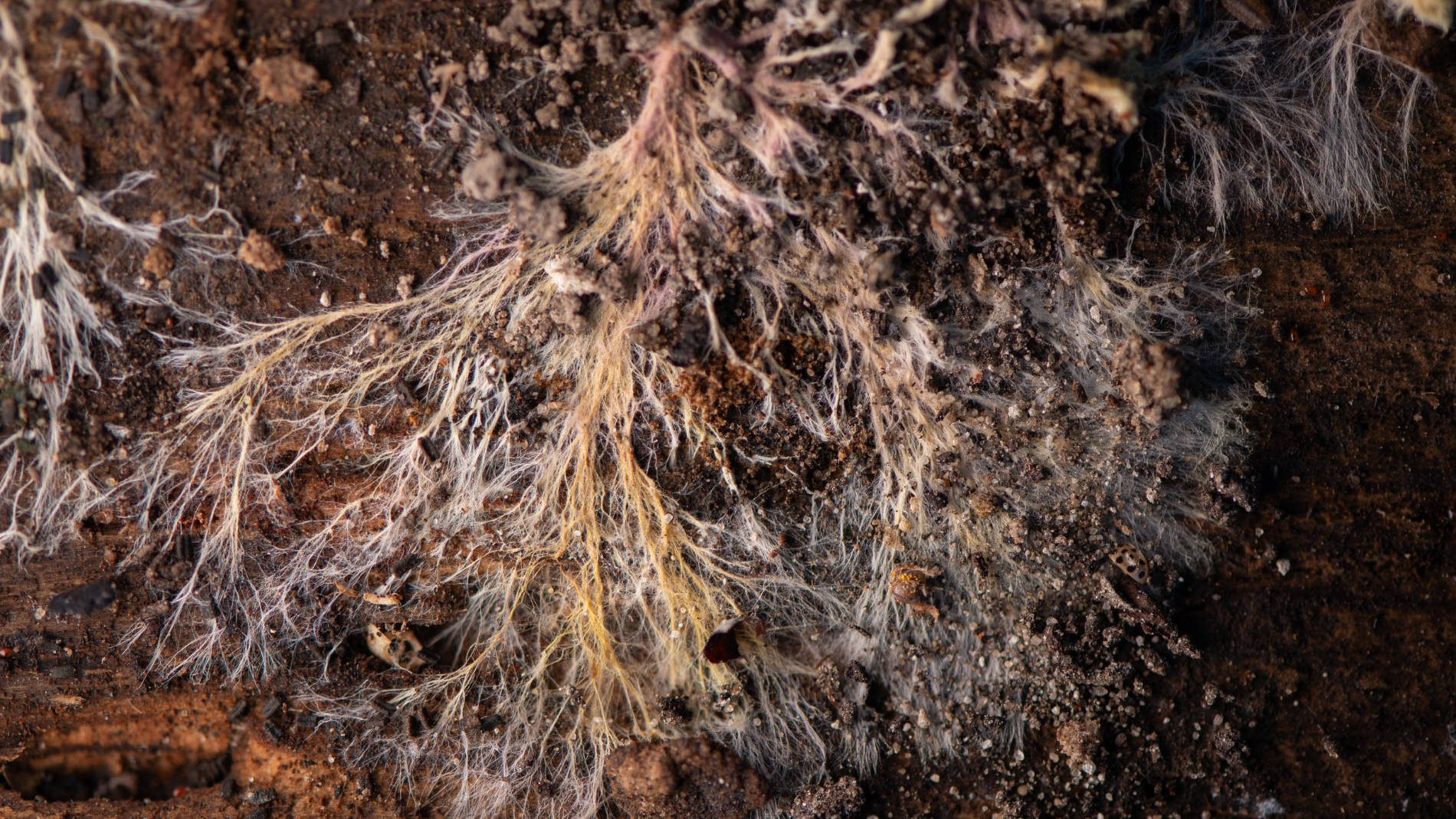
Mycelium is formed through the growth of filamentous fungi, creating a fine, dense network structure. It can be cultivated on agricultural or industrial residues and is considered a bio-based material with potentially favourable circularity properties.
Benefits and outlook
- Sustainability: Mycelium as a raw material is based on renewable resources and can utilise agricultural by-products and residues.
- Biodegradability: Mycelium-based materials are generally considered compostable and do not persist in environmental cycles.
- PFAS-free functionality: Textile research is increasingly moving towards PFAS-free solutions that combine functional performance with environmental compatibility.
Bio-based hydrophobic finishing without PFAS
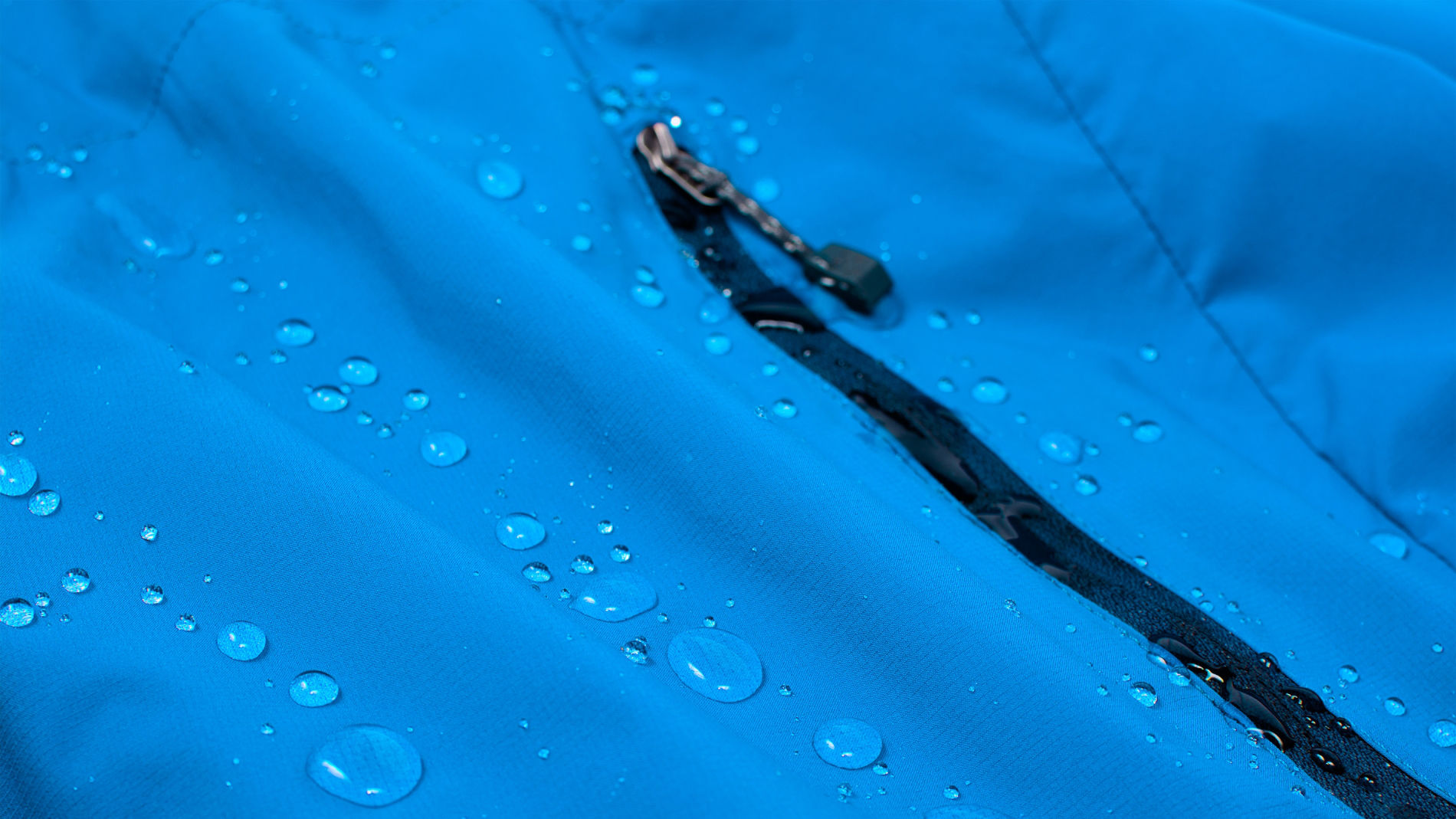
Alongside mycelium-based approaches, research is also exploring other bio-based materials as alternatives to fluorinated hydrophobic finishing. One example is the BIOSUPHYOL research project, which is developing PFAS-free coatings based on cellulose microfibres.
The approach combines bio-based compounds with functional structures to achieve water- and oil-repellent properties without relying on fluorinated chemistry. The research demonstrates that PFAS-free coatings are technically feasible and highlights the diversity of bio-based solution pathways currently being investigated in textile and materials research.
Conclusion
The development of mycelium-based hydrophobic finishes for protective textiles exemplifies the ongoing shift within the textile care industry: away from persistent, environmentally critical chemicals towards bio-based and circular solutions. While many approaches are still in research and pilot phases, they show potential for more sustainable protective clothing that combines functional performance with environmental responsibility.