
Reading time: 6 minutes
Key takeaways
- The German national team's kit is professionally processed in a dedicated high-security area under the strictest quality standards.
- Every detail – from washing temperature to folding technique – is carefully tailored to the fabrics, prints and logos.
- Every new kit collection requires adapted washing processes to preserve colours, player names, logos and performance fabrics.
- The biggest challenges are not blood or sweat, but grass, soil and mildew stains – which is why textile care professionals rely on specialised cleaning methods.
No sign, no logo, absolute discretion: At a laundry facility in Ettlingen, Baden-Württemberg, there is a room that only a handful of people are allowed to enter. From the outside, only two surveillance cameras suggest that this is not an ordinary laundry area. In this room, which is approximately the size of a football penalty area, the laundry of the German national football team is professionally cleaned after the 2026 FIFA World Cup. Since 2021, Bardusch has been processing the laundry for the German Football Association (DFB) here. For the DFB contract, the room, which previously housed the dry-cleaning department, was completely stripped out and rebuilt as a separate security area.
Two Tonnes of Laundry per Team
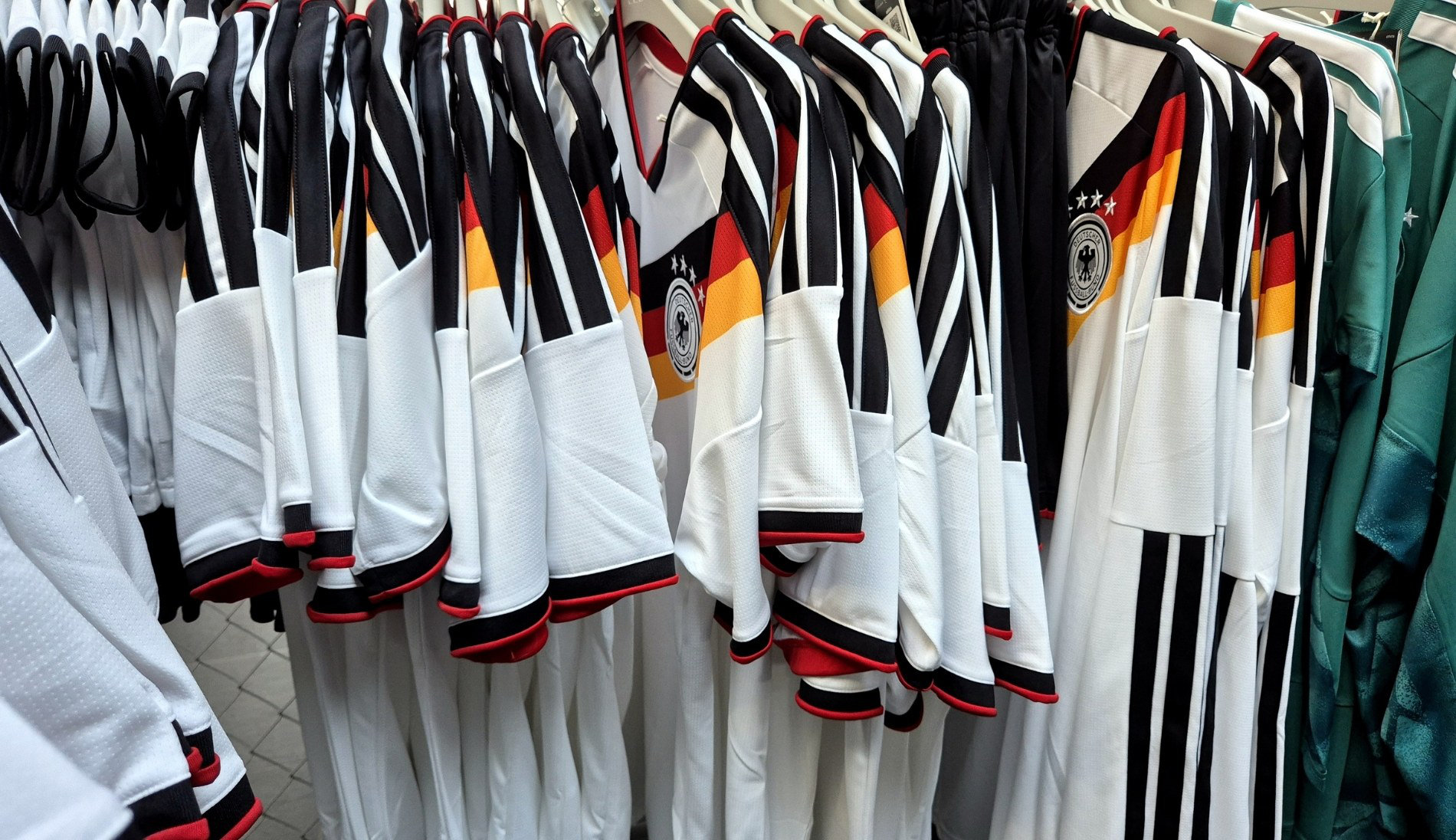
Every month, Bardusch launders between 9,000 and 11,000 textile items for the German Football Association (DFB). This includes not only the laundry of the men's and women's national teams, but also that of the youth teams from U14 to U21. The items processed include jerseys, shorts and all clothing used by the DFB teams, from the pitch to the coaching bench – including neon-coloured training bibs, socks (the long socks worn over shin guards), heavy weather jackets and the contents of the national players' travel bags. “It's around two tonnes of laundry per team,” says Timo Weber, Production Manager for Industrial Laundry at Bardusch. In addition, around 300 kilograms of flat linen, such as terry towels and bed linen for the DFB Campus, are processed each week. Although this laundry accounts for only a small proportion of the 45 tonnes of industrial laundry processed every day in Ettlingen for bakeries, automotive suppliers, hospitals, pharmaceutical companies and hotels, it operates in a league of its own when it comes to organisation.
“She Never Takes Her Eyes Off the DFB Laundry”
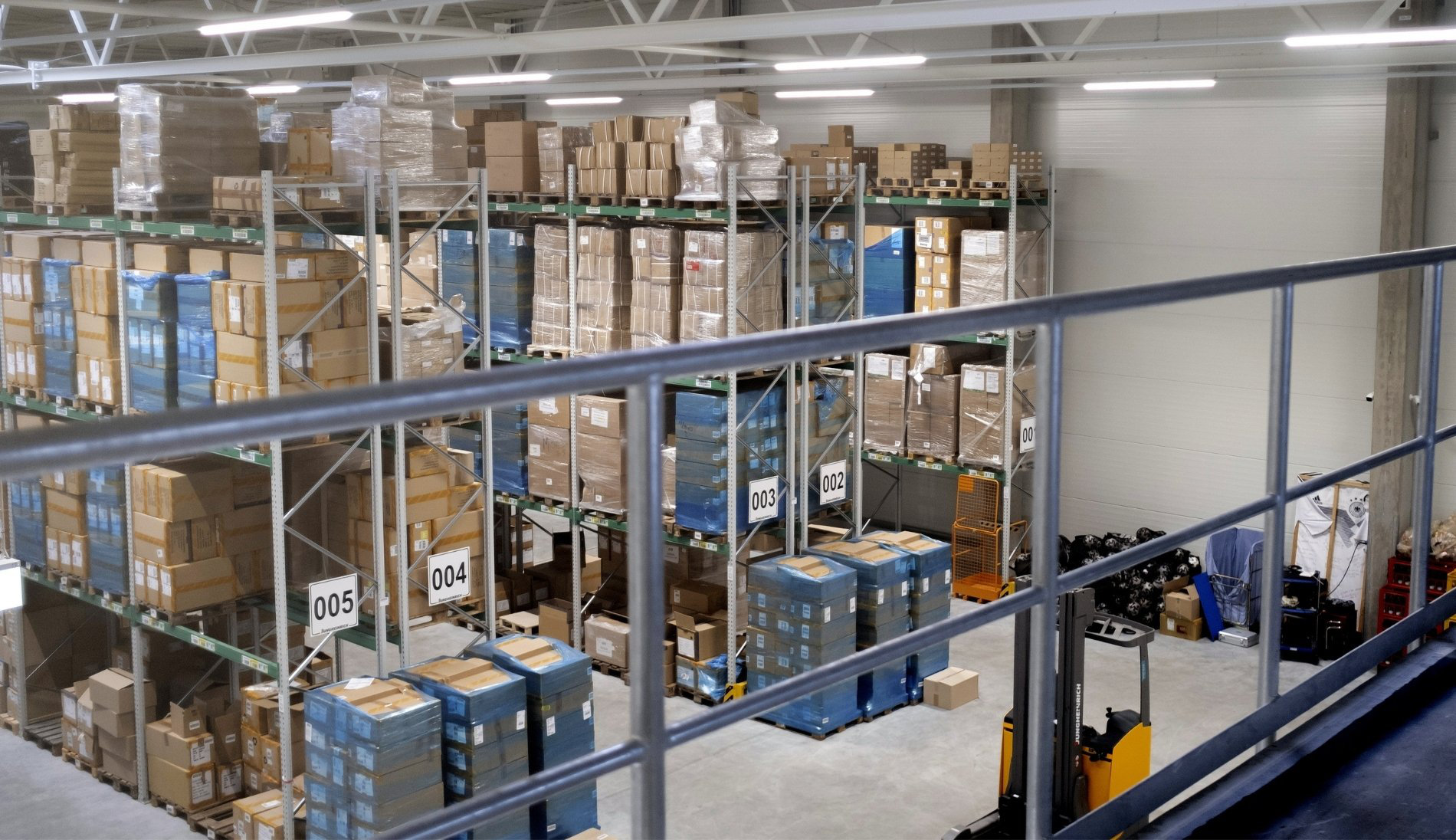
Before new DFB laundry arrives, the fixture schedule is prepared first: the kit managers, who are responsible for the teams’ equipment, clothing and dressing room logistics, usually announce new laundry deliveries by email. The email contains details about the type of clothing, the number of containers, and the delivery and collection times. “All DFB orders arrive in a separate mailbox,” says Weber. When a new lorry carrying soiled DFB laundry arrives, a precisely coordinated process begins: a specially trained employee receives the laundry and monitors every step from that moment on. “She never takes her eyes off the DFB laundry,” says Weber. First, the laundry is pre-sorted in the protected DFB room according to washing programmes, colours and degree of soiling. Stubborn stains are pre-treated with stain removers where necessary. After pre-sorting, the laundry is transported in opaque containers out of the secured DFB room to the washer-extractor. The washing process consists of a pre-wash if required, the main wash and rinsing. “A wash cycle takes around 35 minutes,” says Weber. The laundry is washed at 30°C – and strictly without fabric conditioner. “Otherwise, the flock could come off.” This refers to the printed player names, squad numbers and logos on the jerseys. The socks are an exception: stubborn grass stains may require temperatures of up to 60°C. After washing, everything is gently dried at 45 to 50°C before being returned to the DFB room.
The Eagle Must Not Be Creased When Folding
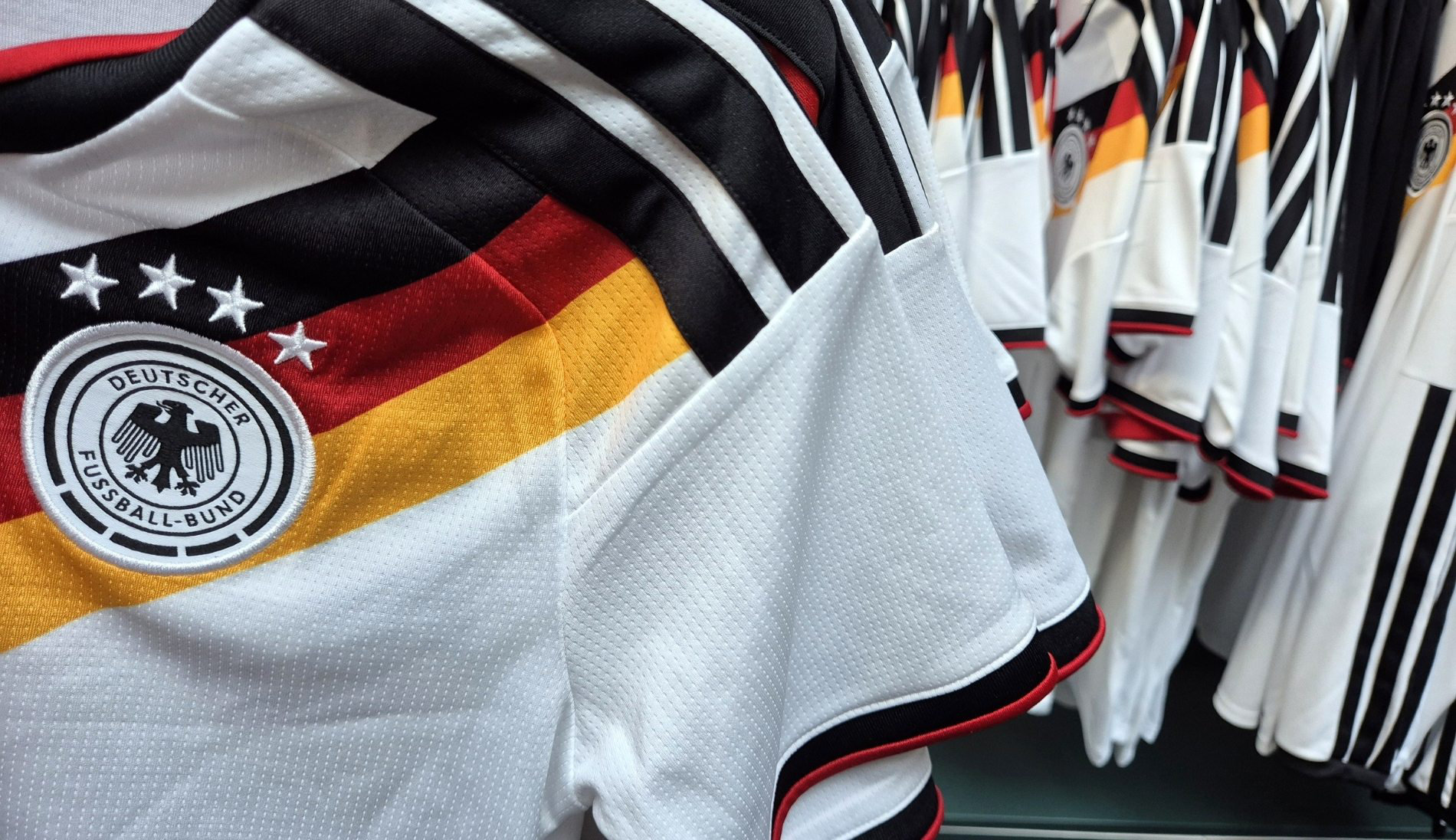
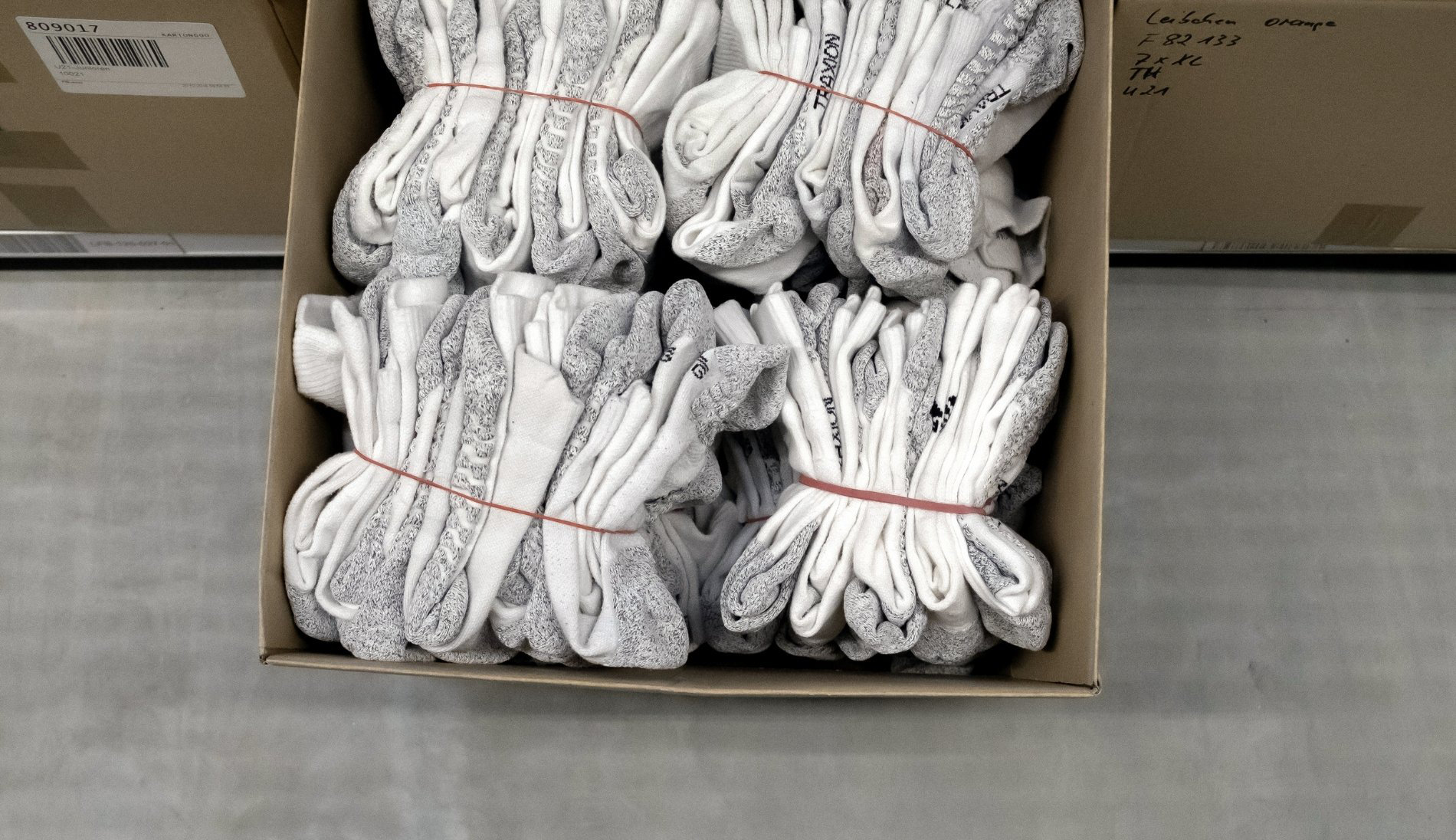
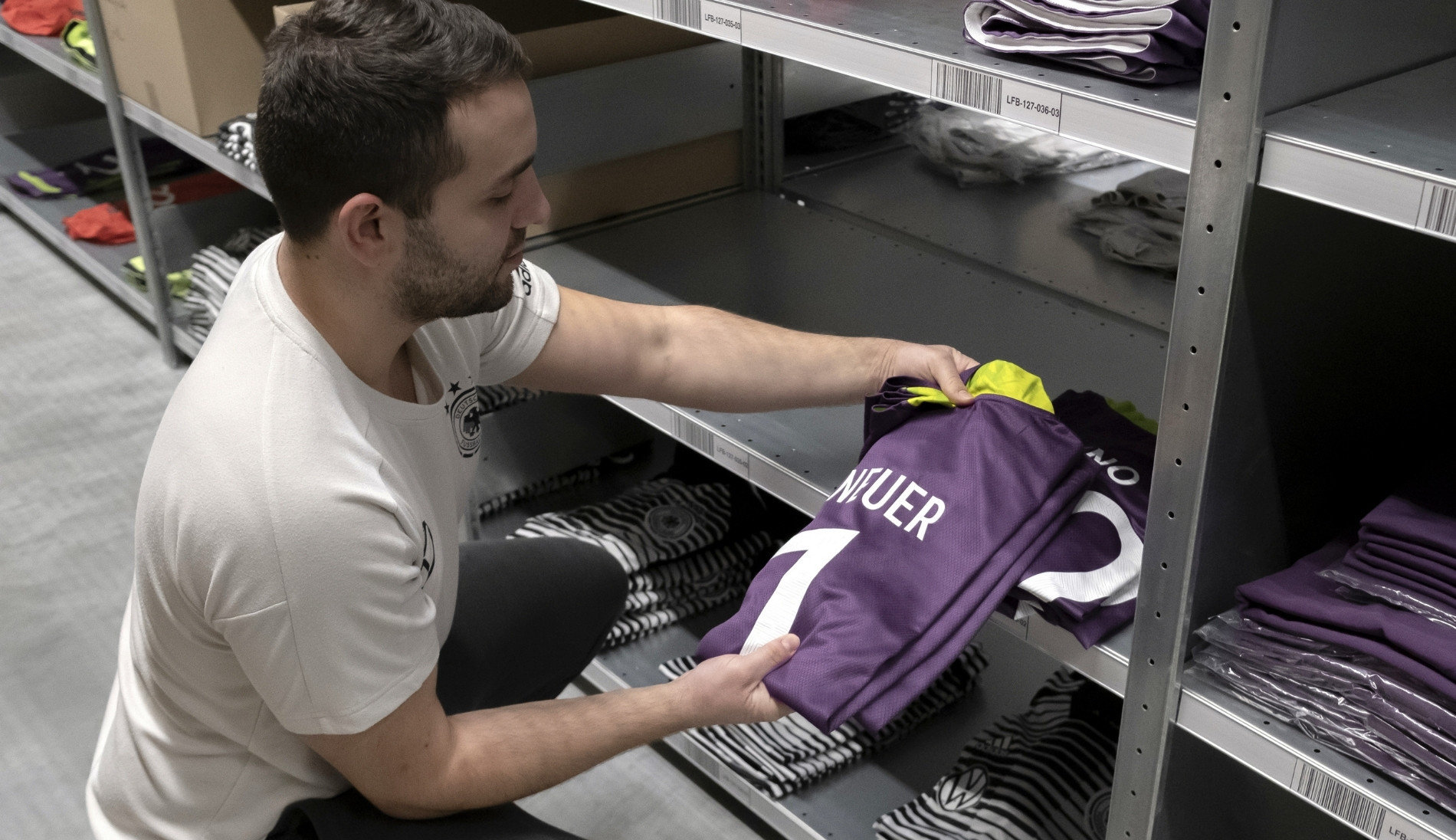
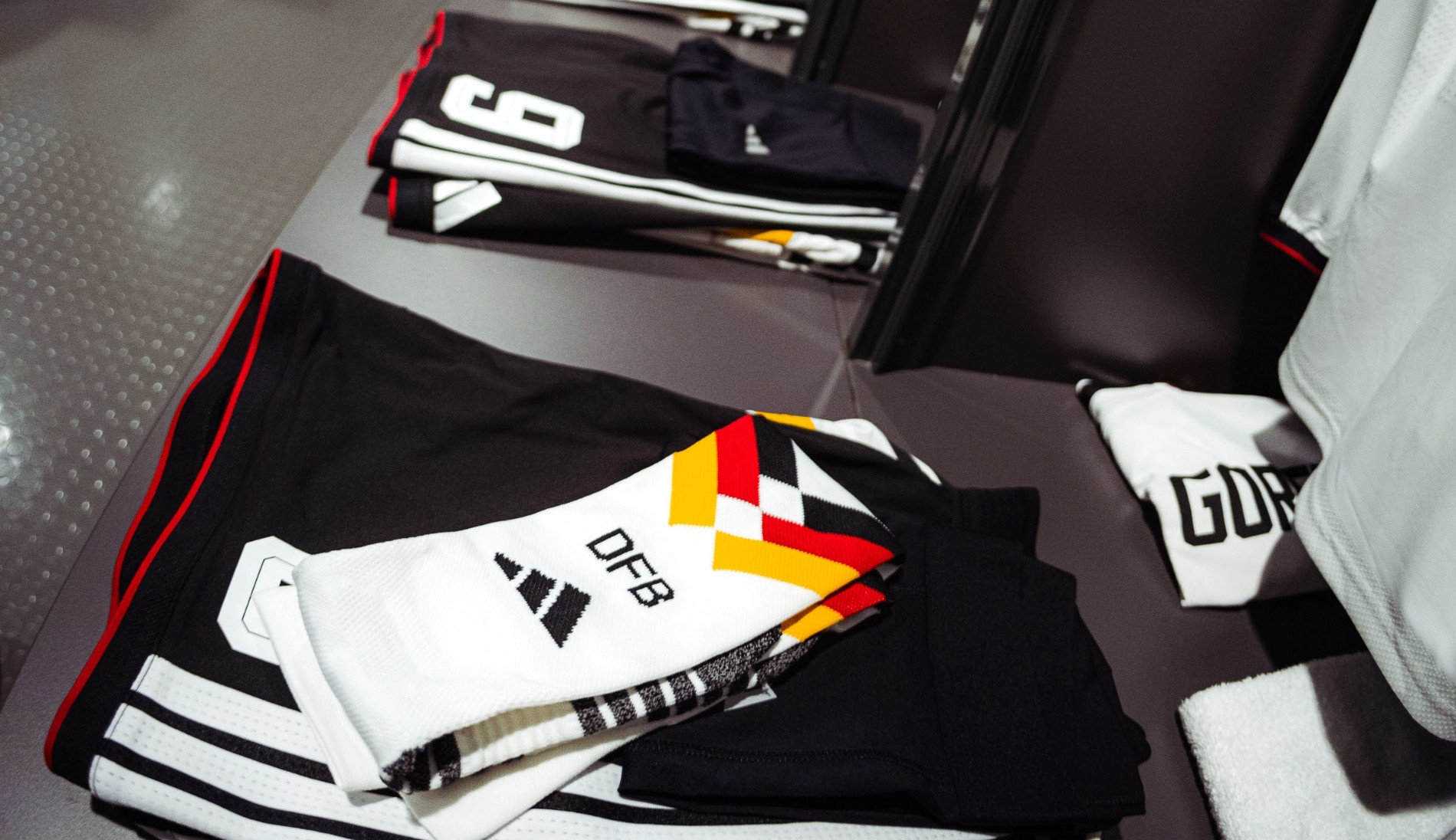
The next step is to bring every item of laundry into proper “formation”: each piece is folded individually by hand. “Machine folding is strictly prohibited,” emphasises Weber. If necessary, an ironing board is available to touch up individual items. For some DFB teams, manuals have been prepared in close coordination with the respective kit managers. They contain important instructions on how the laundry must be sorted and bundled: How many pairs of socks belong in one set? For the senior men's national team, for example, it is always five pairs. Which jackets and training garments belong together? How should the jerseys be folded correctly? There is one strict rule for the German national team's jerseys: when folding them, the federal eagle on the chest must not be creased. Curiously, jerseys from opposing teams sometimes also end up in Ettlingen – for example after a shirt swap. What happens to these unexpected items? “We process them just like all the others and send them back to the DFB,” says Weber.
The Toughest Opponent Is Waiting in the Container
Grass, soil, sweat and blood – football clothing has to withstand a great deal on the pitch. Surprisingly for many people, “Blood is not a problem at all,” says Weber. For laundry facilities that clean workwear from industrial companies and slaughterhouses every day, blood is part of everyday business. Soil and grass, on the other hand, are much more stubborn, especially on the socks. “In the heat of the moment, socks can end up deep in the ground,” says Weber. The pigments contained in the soil are difficult to remove. Particularly stubborn cases are pre-treated or treated afterwards with stain removers. But the most unpleasant opponent for the playing kit is waiting in the container: mildew stains. They can develop when sweat-soaked or rain-soaked playing kit remains in containers during long transport journeys. “Everyone knows it from home: if damp sportswear stays in a sports bag overnight, it starts to smell,” Weber explains. Although mildew stains can be removed effectively with chlorine, this is not an option for the delicate functional materials used in modern football jerseys. That is why the highest level of alert applies whenever new DFB laundry arrives. “Our top priority is to remove the laundry from the containers immediately and sort it,” emphasises Weber.
New Collection, New Laundry Strategy
Things also become more demanding whenever the DFB introduces a new collection – at least before every FIFA World Cup or UEFA European Championship. New colours, new prints, new emblems, perhaps also new material combinations or different textile technologies. That means the laundry strategy has to be adapted. “Collection changes are always a major challenge,” says Weber. “Suddenly the away jerseys are no longer green but pink – so we have to test them first.” The reason is that, unlike household detergents, professional textile care uses a modular system: depending on the type of textile, colour and degree of soiling, individual components are combined in a targeted way. “There are products that will always remove the stains, but there are also products that attack the colour,” Weber explains. For every new DFB collection, the optimum combination of laundry chemistry, washing programme and temperature must therefore first be determined in close coordination with the DFB and the detergent suppliers. To do this, individual jerseys are washed on a trial basis to find the right balance between attack (stain removal) and defence (protecting colours and materials).
Players’ Travel Bags: Trust as Part of the System
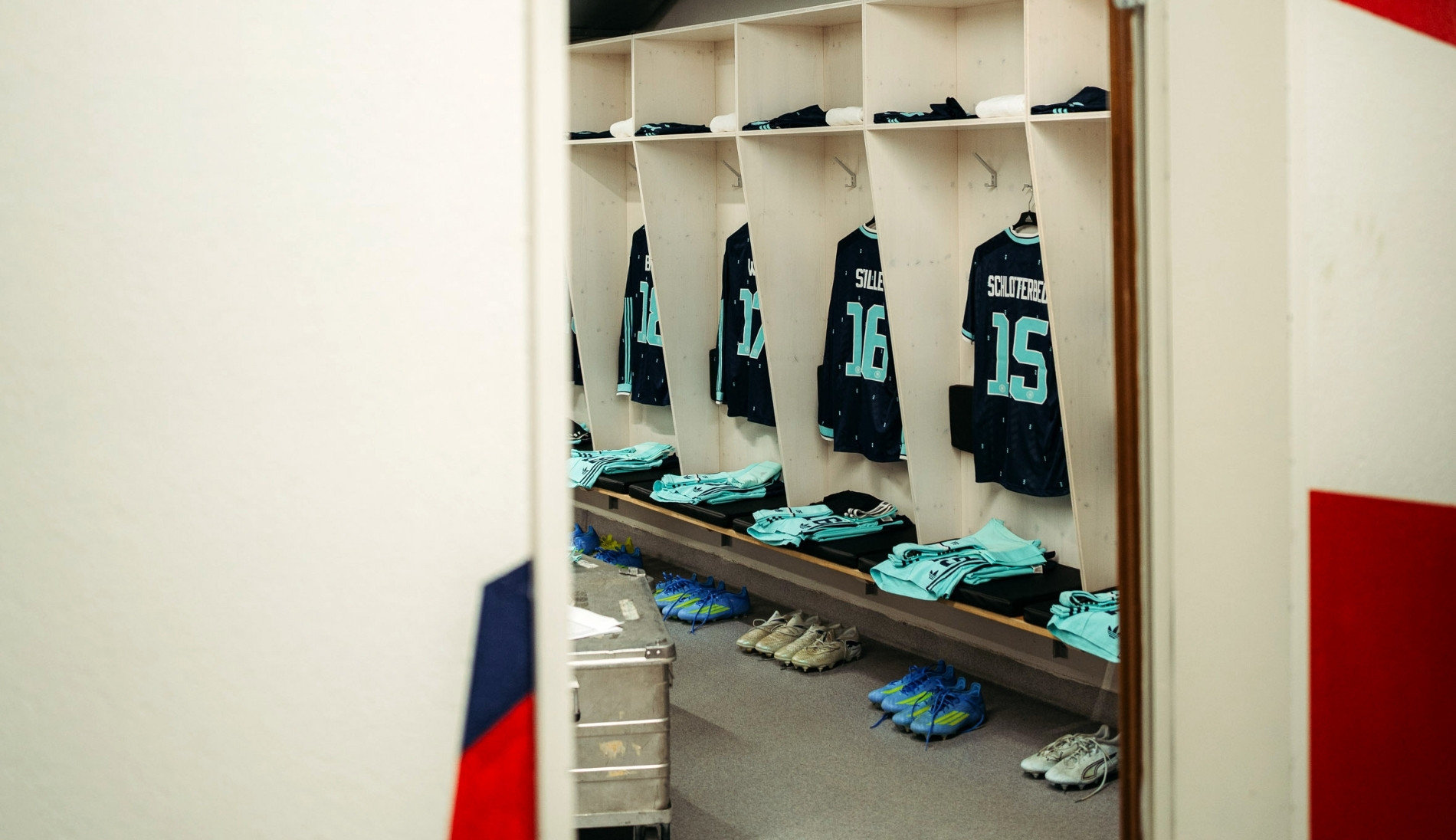
While jersey care is mainly about quality, the national players’ travel bags add another important factor: trust. When the national team’s bags arrive at the laundry facility, they are numbered from 1 to 40 – covering everyone from the players to the coaching staff. The strict rule is that only the upper compartment may be opened. “That’s where the clothing is kept that the players wear when travelling to matches, for example on the team bus or the plane,” Weber explains. The lower compartment, however, is off limits because it may contain personal belongings. Each bag contains up to ten items of clothing. To ensure that every item is returned to the correct bag, the employee threads coloured cotton strings through the labels, which are later removed without leaving any trace. Did the bags and jerseys also come to Ettlingen between World Cup matches? “No, no,” says Weber with a laugh. “During a tournament everything is on a very tight schedule, so the clothing is cleaned directly on site.” In addition, the DFB team takes to the pitch in brand-new jerseys for every international match, as each one is produced as a unique item for that particular fixture.
Professional Tips: How to Keep Your Fan Jersey in Top Condition
After the World Cup, the DFB laundry returns to Ettlingen. “We process it within five to seven days and send it back to the DFB,” says Weber. Back means the DFB’s Clothing and Logistics Centre in Langen (Hesse). There, the DFB stores the cleaned clothing carefully so that it can remain in use for as long as possible – also in the interest of sustainability – rather than being disposed of. As an enthusiastic amateur footballer, can Weber still watch the national team’s matches without worrying when the jerseys become increasingly dirty during the game? Weber laughs. “In the first few years, you paid a lot of attention to the stains,” he recalls. “People on the team would say, ‘Oh no, did you see that? They played in the rain yesterday…’” A clear signal for the textile care professionals: wet clothing means a risk of mildew stains. By now, however, everything runs smoothly.
For fans who want to keep their World Cup jersey in top condition until the next tournament, Weber has a few care tips: “Always wash jerseys inside out, on a gentle cycle at a maximum of 30°C, never use fabric conditioner, and afterwards let them dry on a hanger – but never in direct sunlight.”
Bardusch GmbH & Co. KG
Bardusch GmbH & Co. KG is a family-owned international textile service provider headquartered in Ettlingen, Baden-Württemberg. Since its foundation in 1871, the company has been offering professional textile and hygiene management through a full-service leasing model. Bardusch supplies businesses in industry, skilled trades, hospitality, healthcare, care services and the pharmaceutical sector with workwear, protective clothing, flat linen and ward linen. The company operates more than 20 sites in Germany and other EU countries and has its own logistics fleet.