
Reading time: 4 minutes
The global population is growing, and with it the demand for textiles. According to surveys by the non-profit organisation Textile Exchange, fibre production rose to 132 million tonnes in 2024, representing an increase of 6.5% compared to the previous year. Synthetic fibres account for the largest share, with a volume of 91 million tonnes. Cotton production, by contrast, appears almost modest: at 24.5 million tonnes during the reporting period, it has remained largely constant for years. However, although the raw materials used for fibre production are finite and increasing amounts of textile waste are polluting the planet, the textile and apparel industry continues to follow a linear model. As a result, the proportion of reused resources remains extremely low: on average, less than one percent of recycled production waste and post-consumer waste is fed back into the global system. Yet processes already exist that enable the recovery of fibres and support the transition towards a circular textile and apparel industry.
Mechanical recycling
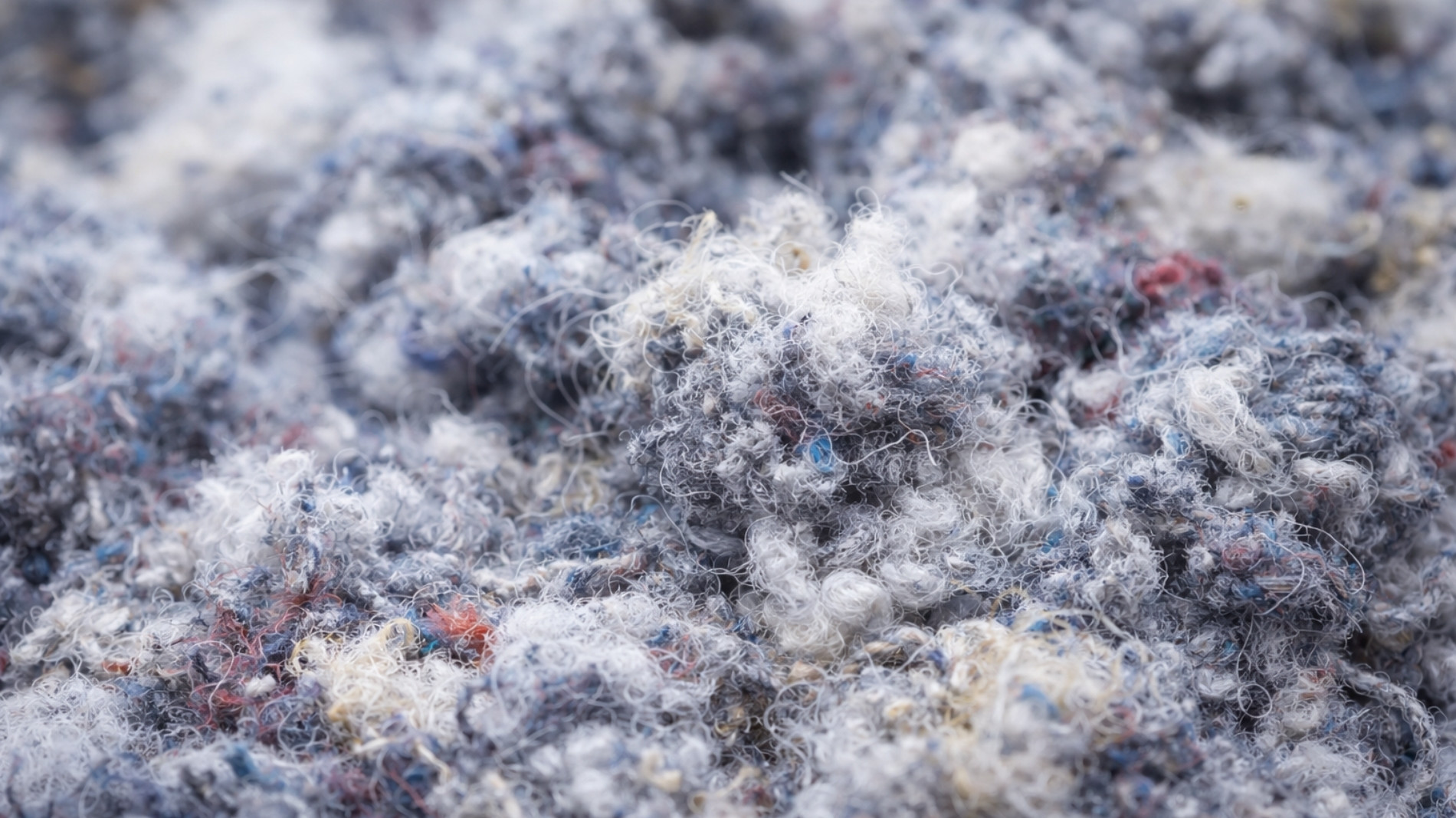
In mechanical recycling, textiles of all kinds - except coated, laminated or otherwise surface-treated materials-are cut into smaller fractions and then torn down to fibre level using rotating drums. These fibres are either respun into yarns or processed into nonwoven materials. This long-established technology allows for the recycling of a wide range of products and material blends. However, the final product is not reproducible, as the input material always varies. In addition, the tearing process generates large amounts of short fibres, which makes spinning recycled yarns more difficult. Colour variation in used textiles presents another challenge: to produce recycled yarns with a reasonably consistent shade, the input materials must be carefully sorted. Nevertheless, despite these limitations, the technology is economically viable and produces materials for which markets exist
Thermo-mechanical recycling
This process is only suitable for homogeneous or compatible synthetic fibre materials. These are melted down and pelletised. The resulting pellets can then be reintroduced into a spinning process and extruded into filaments. However, the input material proves to be the main challenge: it must be pure and clean, as contamination or fibre blends disrupt the process, cause production interruptions and lead to poor yarn quality. For this reason, the method has so far mainly been used for recycling undyed production waste (pre-consumer waste).
Chemical recycling
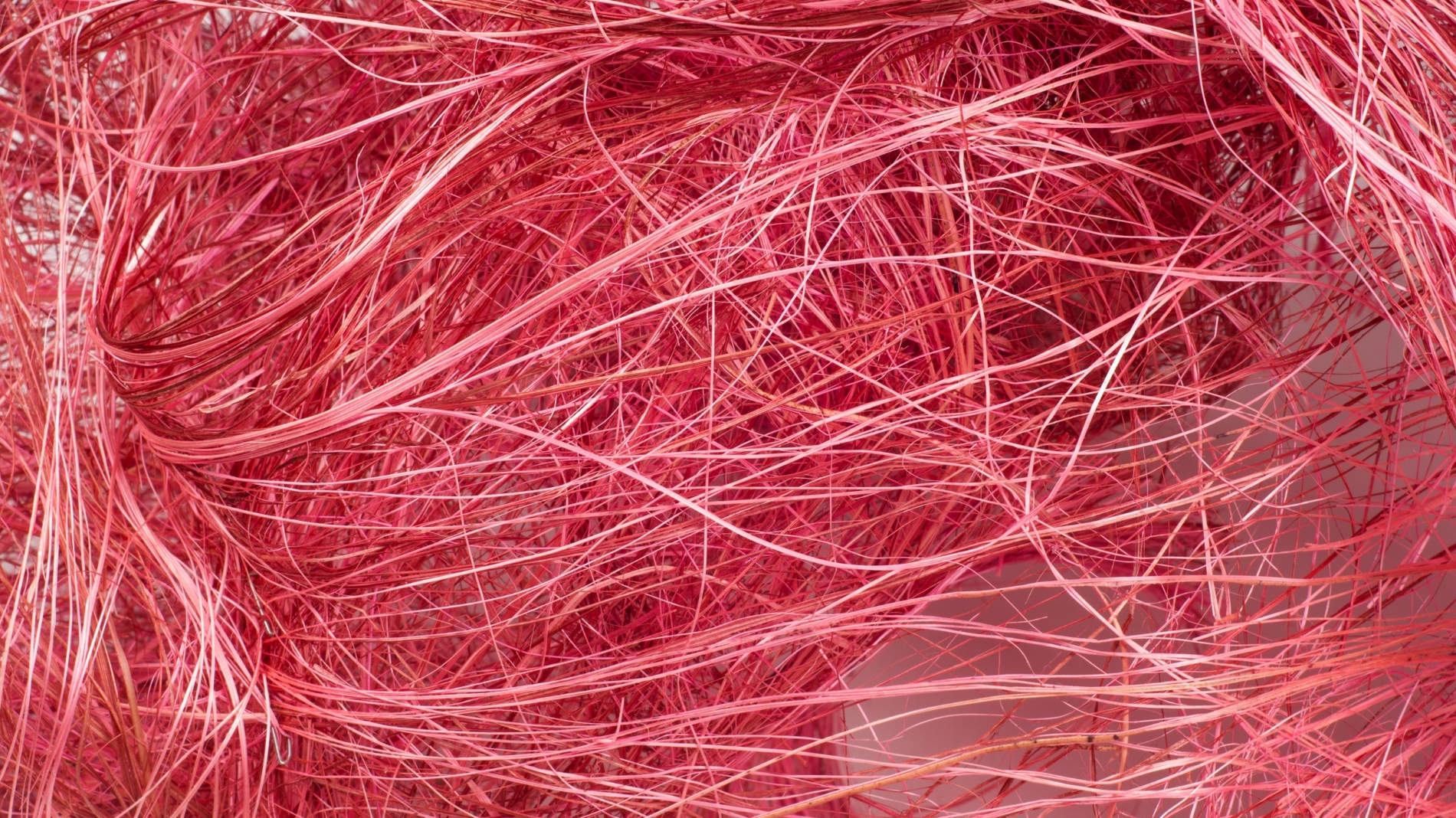
Homepage\Fachartikel\Recyclingmethoden für eine kreislauffähige Textilindustrie\polyamide-fibre.jpg"
Chemical recycling is carried out using selected solvents tailored to specific synthetic fibre materials. These solvents break the material down into the monomers from which it was originally synthesised. The recovered monomers can then be reused to produce fibre polymers with a quality equivalent to that of virgin materials.
Cotton can also be recycled chemically. Pure, well-sorted textile waste is dissolved into its cellulosic building blocks and subsequently processed into pulp, which is then used in paper production and the manufacture of viscose fibres.
Expectations for chemical recycling of synthetic fibres are high, and the technology is already being applied on a limited industrial scale in polyamide fibre production and for polyester recycling. However, investment costs for such facilities are significant, as demonstrated by the insolvency of the Swedish company re:newcell, which aimed to convert cotton textile waste into pulp. Production has since resumed under new ownership and branding.
Physico-chemical recycling
Physico-chemical recycling focuses on returning textile waste made from two fibre components - such as cotton and polyester - back into the material cycle. After the waste is shredded, one of the fibre components is chemically dissolved using a suitable solvent, leaving the second material available for further recycling. That is the theory. In practice, however, recycling the widely used cotton-polyester blends found in textile services follows its own rules: while the cotton can be chemically depolymerised, the remaining polyester is often unsuitable for further processing and is typically incinerated.
Enzymatic recycling
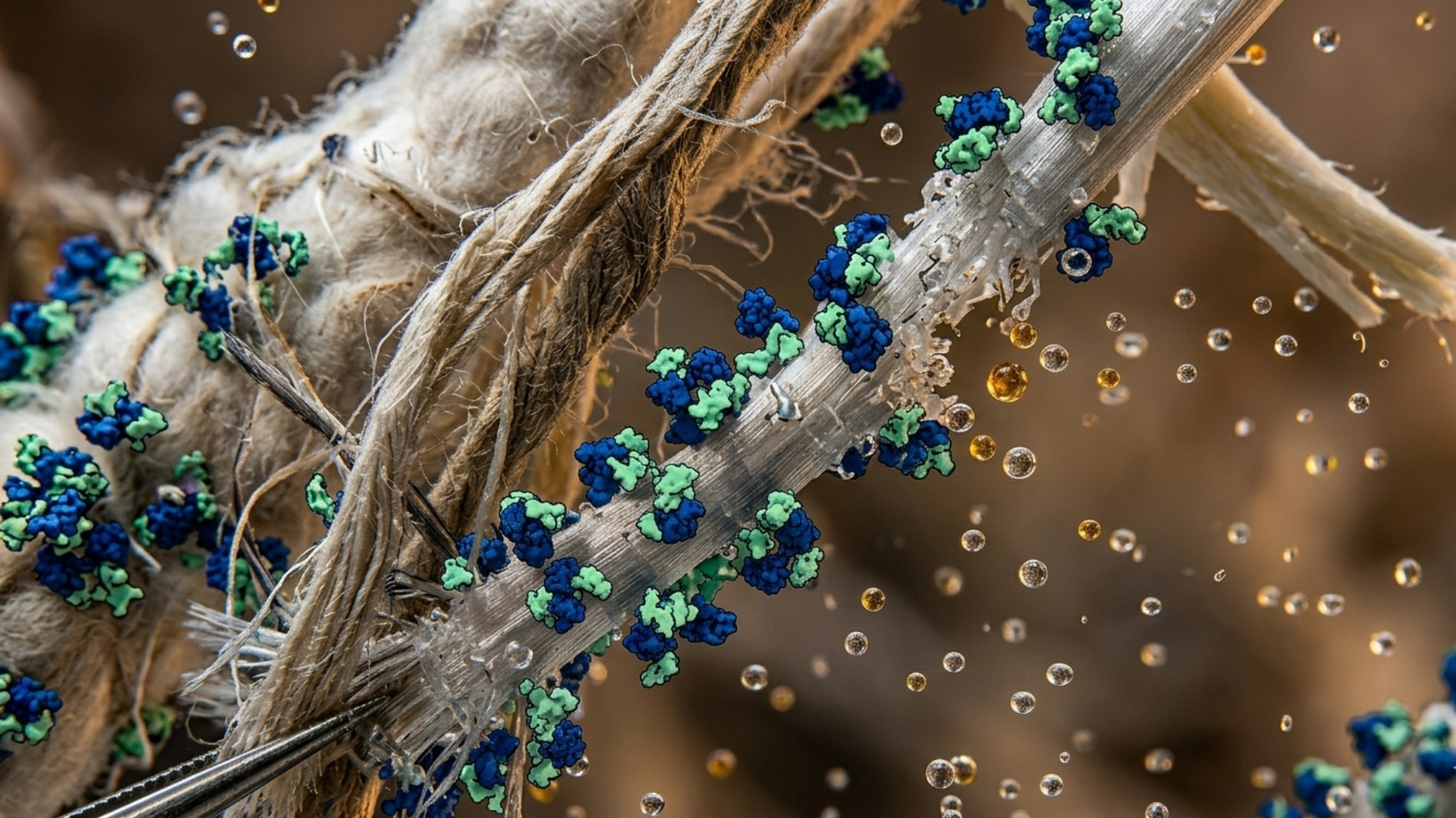
In principle, enzymatic recycling is similar to chemical recycling. However, this process uses specific enzymes tailored to the material to depolymerise fibres - such as polyester, polylactic acid and cotton - and convert them into monomers. The advantages and challenges are comparable to those of chemical recycling: the recovered raw material is colourless and can be used to produce fibres of virgin quality. However, the investment required for industrial-scale facilities is substantial, which means the technology is still largely in the pilot phase.
Thermo-chemical recycling
Thermo-chemical recycling involves breaking down textile waste made from pure or mixed synthetic fibres at high temperatures. This process - often referred to as catalytic, non-pressurised liquefaction - produces monomers, gas, and in some cases volatile organic compounds (VOCs), as well as circular liquid products. These can be reintroduced into the production cycle to create new, colourless synthetic fibres. The downside of this method is its high energy consumption and the associated greenhouse gas emissions. As a result, the recovered raw materials are relatively expensive, although both costs and emissions can be reduced through the use of “green” energy. Despite these challenges, the first pilot plant was launched in 2016.
Although various technologies for recycling textile waste already exist, only mechanical processing has become established on the market to date. Most of the newer methods are still in the pilot phase, and their industrial-scale rollout is being slowed by financial and regulatory barriers. However, with the globally driven shift away from a linear model towards a circular textile and apparel industry, it is only a matter of time before broader adoption gains momentum.