
Reading time: 5 minutes
Key Takeaways
- Hospitality and healthcare textiles must meet demanding requirements in terms of durability, efficiency and sustainability.
- Material development and technological innovation play a key role in improving laundry operations.
- The use of recycled and alternative fibres can help reduce resource consumption.
- New yarn and dyeing technologies can enhance textile performance and simplify laundry processes.
- Reuse, recycling and circular approaches are becoming increasingly important across the textile industry.
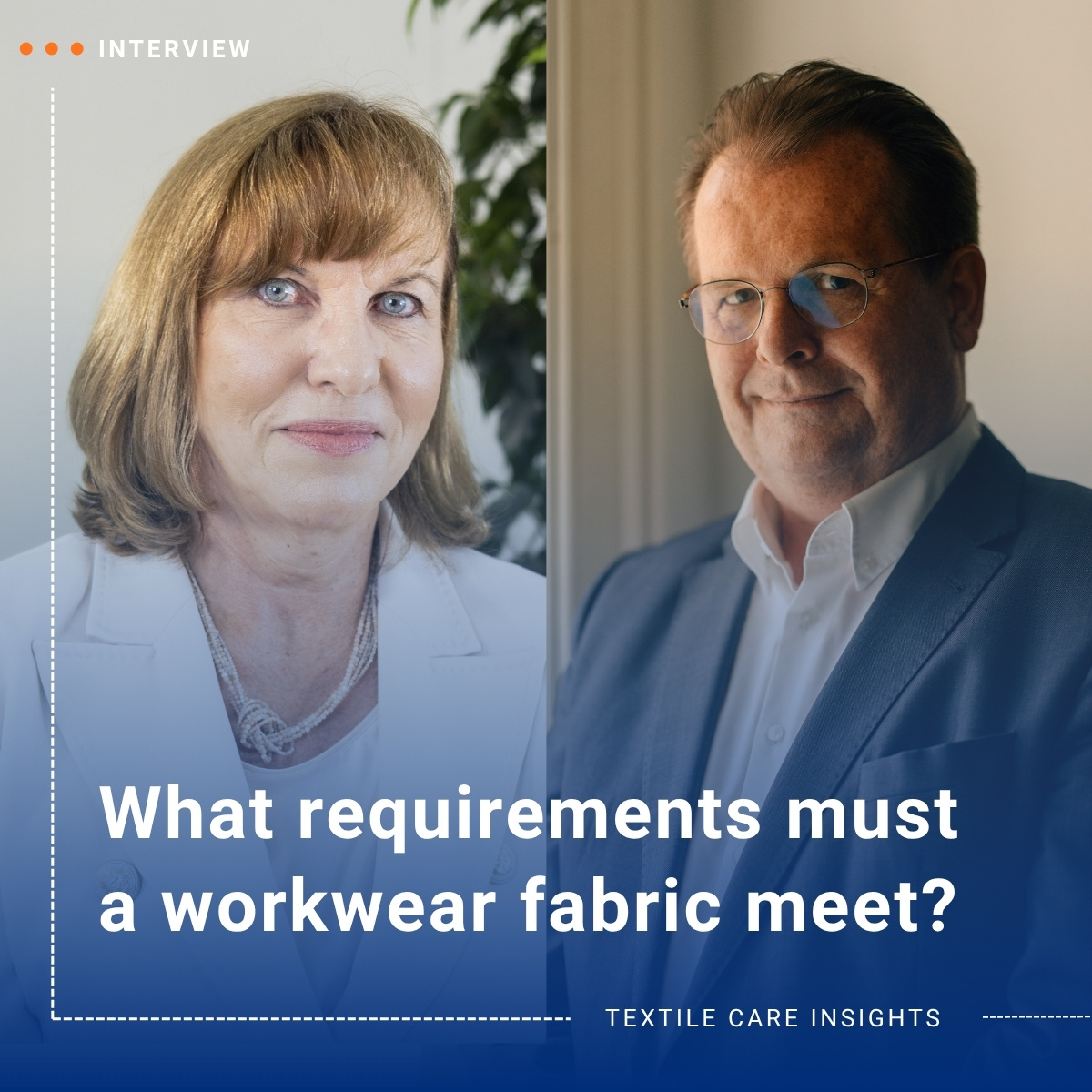
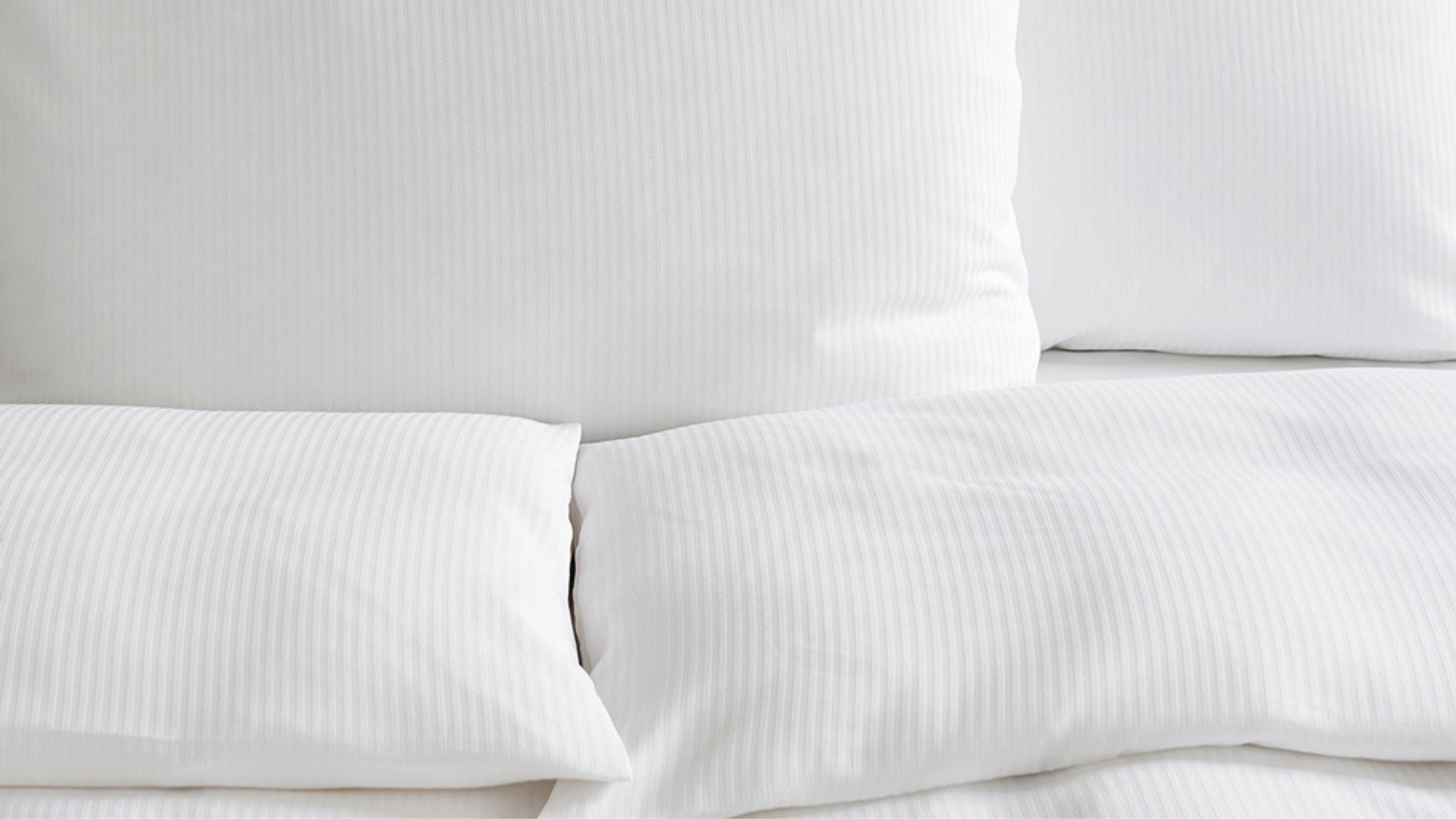
Long-lasting, durable, timeless, sustainable and as circular as possible – these are the key requirements that Beirholms Væverier (Kolding, Denmark) sets for its industrial-laundry table linen, bed linen and terry products. When developing textile qualities that textile service providers can confidently supply to the hospitality, wellness and healthcare sectors, all of these criteria must be met. To ensure a practical and market-oriented product portfolio, the company divides its product development into two areas: Performance Textiles and Performance Technology. In this interview, Andreas Beirholm explains the concept behind this approach and the benefits it offers to industrial laundries.
What is the difference between textile and technological innovations?
Andreas Beirholm: With a textile innovation, the focus is on the product itself. Aspects such as materials, design and colours play an important role here. When we talk about Performance Technology, on the other hand, we are referring to the introduction of technical production processes that can enhance the performance of our textiles and thereby contribute to a better cost-benefit ratio in the laundry operation.
What challenges do textile innovations involve?
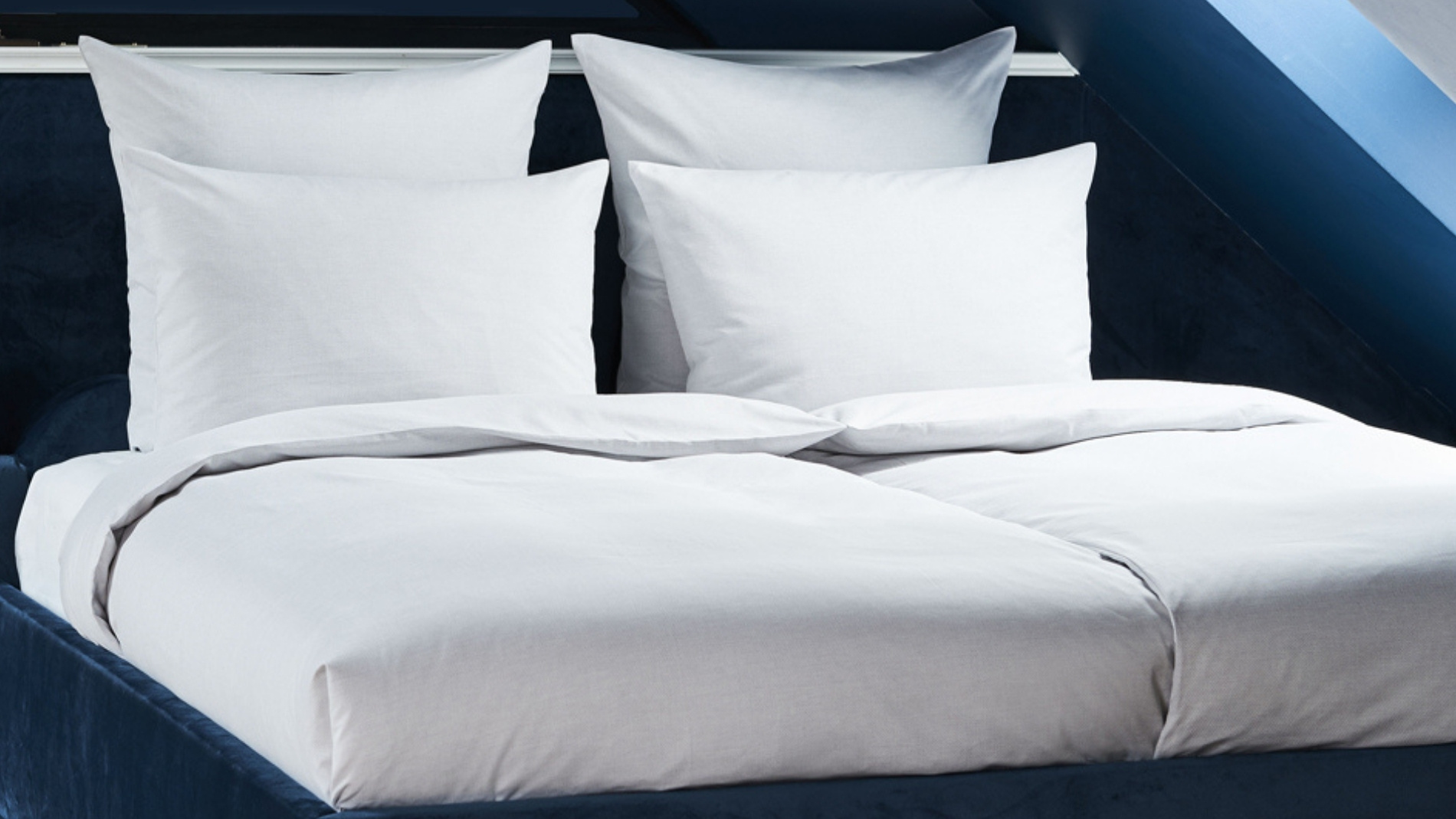
Andreas Beirholm: First and foremost, lease-suitable contract textiles must withstand the heavy demands of washing, drying and ironing over many cycles. They need to retain their fabric weight and colour, remain dimensionally stable and resist distortion. At the same time, product development is also about responding to current trends. At present, for example, we are seeing a return of coloured textiles in hotel rooms. However, there are regional differences. In Scandinavia, beige tones are particularly popular, while grey shades are in demand in the DACH region. We therefore need to ensure that both designs and colours are timeless and appeal to as many customers as possible. It is also important that new products harmonise with existing ranges, as our portfolio follows a concept comparable to the LEGO building-block system. Another aspect is the scope of collections within individual segments. Table linen is a good example: in countries south of Lake Constance, tablecloths are considered essential. In Germany, our largest market, textile napkins are the clear favourite.
The greatest challenge for our design team is therefore to create a “global” aesthetic that successfully reconciles the diverse design preferences found across different European regions.
What role do sustainability criteria play in the development of Performance Textiles?
Andreas Beirholm: Sustainability is one of the most important drivers behind both our textile and technological product developments, as they share a common goal: to provide laundries with highly efficient, resource-saving products that deliver an optimal textile investment.
Which aspects influence sustainable textile product development in your company?
Andreas Beirholm: A responsible supply chain is a fundamental prerequisite for us. We have worked for many years with a small number of fully integrated, certified manufacturing partners. They cover the entire production chain – from yarn production to dyeing and confection – ensuring a high level of transparency that enables both the implementation and verification of our environmental and social requirements.
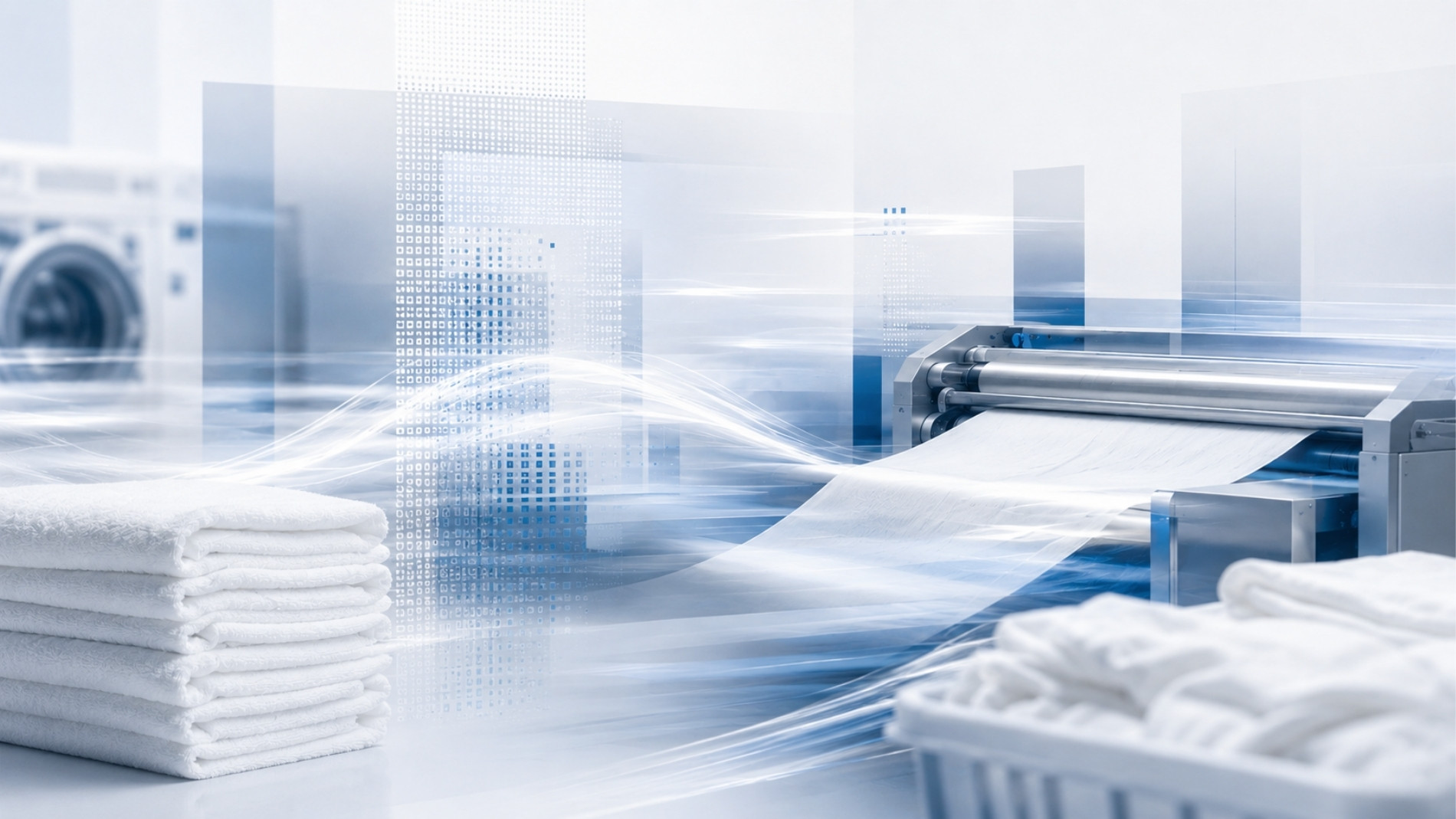
At the same time, we continuously look for opportunities that offer both economic and environmental benefits to laundries. For example, we have optimised the fabric weight of our bed sheets and duvet covers so that customers can process more items with each machine load. This increases operational efficiency while also saving resources. We have also developed a solution for energy-saving low-temperature ironing: even at lower temperatures, our textiles deliver excellent ironing results and a high-quality finish.
Can the ecological and economic efficiency of a laundry operation also be influenced through the choice of fibre materials?
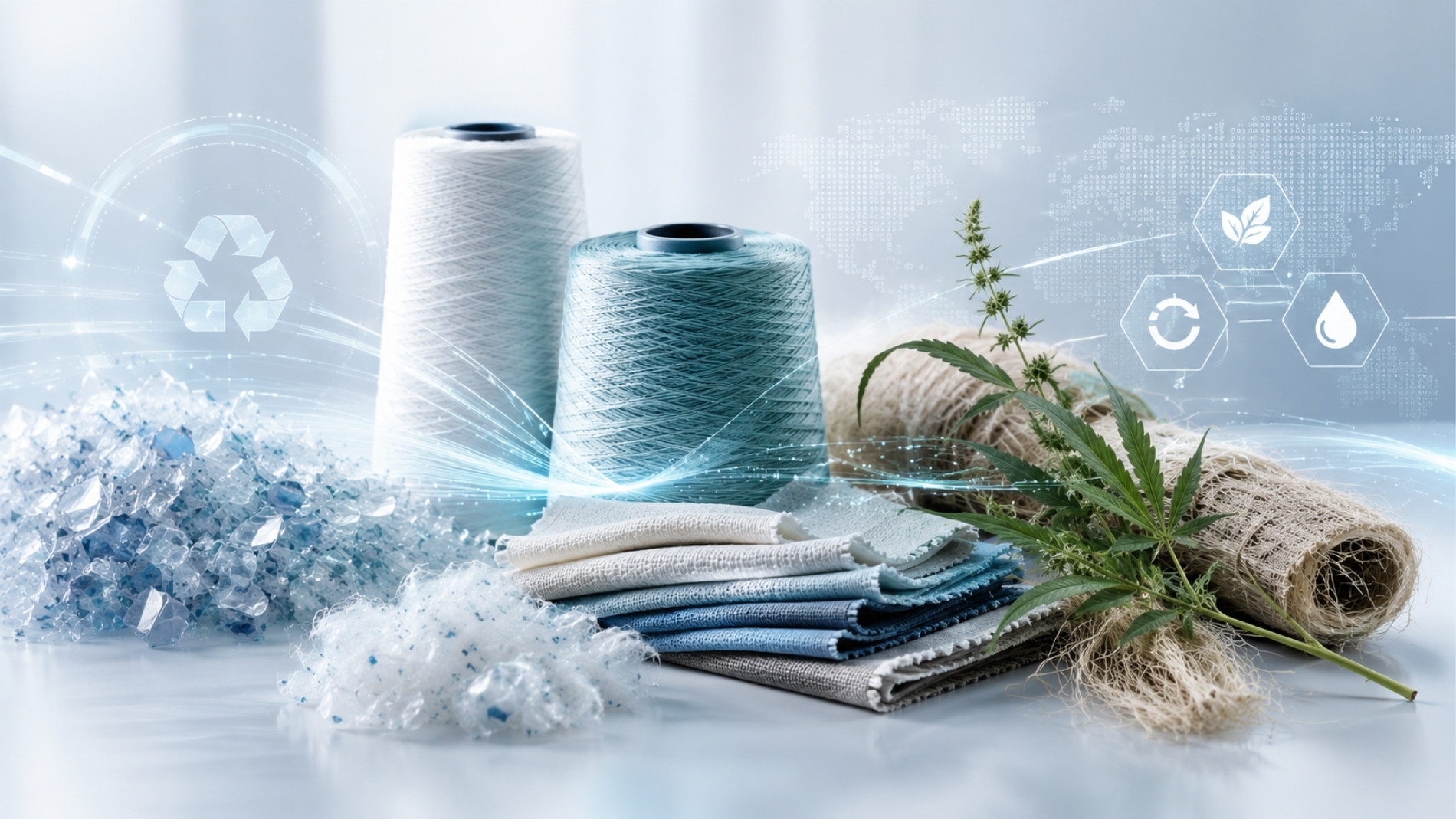
Andreas Beirholm: Yes, absolutely. The polyester-cotton blends we have used for many years allow for more resource-efficient processing due to their lower moisture absorption, which in turn reduces operational costs. They are also highly durable, making them a sound textile investment for laundries. However, both polyester and cotton contribute to a textile’s carbon footprint. To reduce the carbon dioxide (CO₂) emissions associated with synthetic fibre production, we began replacing virgin polyester with recycled polyester six years ago. Initially, this was only possible for coloured textiles because recycled polyester (rPET) did not achieve a sufficiently high level of whiteness. Since then, Beirholm’s product development team has largely overcome this challenge, and our entire blended-fabric range now contains the more environmentally friendly fibre.
There are frequent reports suggesting that polyester releases more microplastics…
Andreas Beirholm: We are aware of this issue. That is why we are working on developing initial products with degradable polyester fibres. These are based on a technology in which a nature-inspired additive is incorporated into the fibre, enabling polyester to be biologically broken down by microorganisms.
How do you assess cotton in the context of sustainable textile solutions?
Andreas Beirholm: Cotton cultivation is water- and pesticide-intensive, which is why we have long been searching for alternatives. We are currently testing napkins made from a hemp-rPET blend for the Scandinavian laundry market, where environmental awareness is particularly strong. We chose hemp because it is a resilient crop that requires very little water or pesticides and can be processed by one of our suppliers. However, we are also aware that importing and exporting hemp between different countries can be challenging and therefore has implications for the supply chain.
More on Textile Recycling and Circularity
Discover how end-of-life textiles can be repurposed and why the industry is increasingly embracing circular business models:
When Old Textiles Become New Products
Moving Beyond Linear Consumption Through a Circular Textile Economy
Let us turn to your Performance Technology concept. Can you give examples of new technologies that help your textile qualities optimise processes for your customers?
Andreas Beirholm: One innovation that dates back some years is our BeirTex yarn. It is a blend of cotton and polyester known for its durability, but with a special construction: the synthetic fibres form the core, while the natural fibres are on the outside. Textiles made from this yarn offer the feel of pure cotton while delivering the environmental and economic benefits of a blended fabric. This technology has proven so popular with our customers that we further developed it together with our supplier and have applied for a patent for “Version 2.0”.
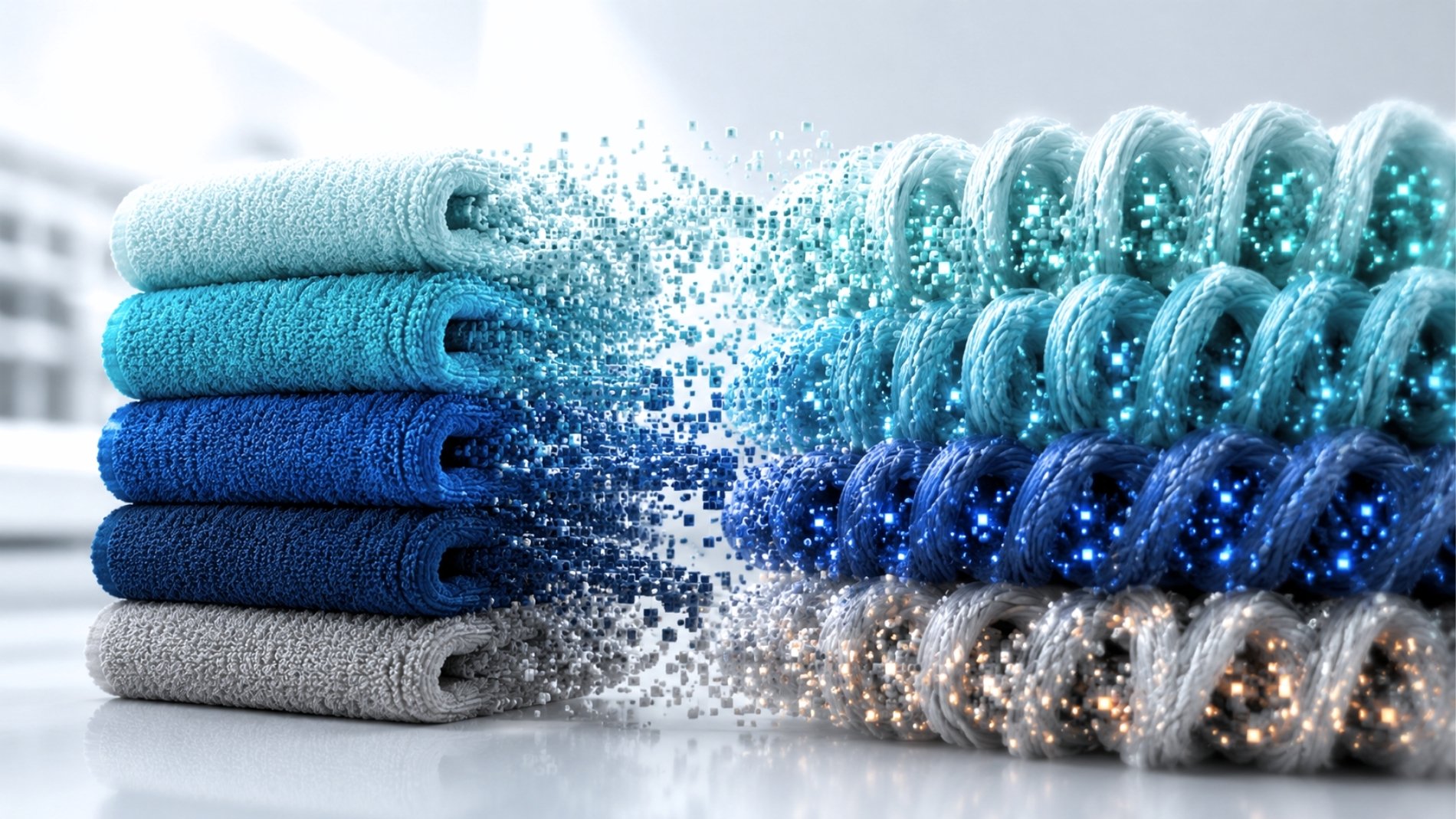
Another innovation, which we presented at the last Texcare in Frankfurt, is our Pixel Technology for coloured terry products. Colourful towels are widely used in healthcare, care facilities, and the spa and wellness sector. When these items arrive at a laundry, they normally have to be sorted by colour because dyes can bleed during the washing process. Pixel Technology eliminates this problem. By using a special dye, the colour remains locked into the textile. Thanks to this colour fastness, it remains stable over many wash cycles. Another advantage is that different colours can be washed together, significantly simplifying sorting and ensuring full machine loads.
With the European Commission’s Textile Strategy, the textile industry is facing a major transformation. A linear model is expected to become a circular one. How are you addressing this requirement?
Andreas Beirholm: Our primary solution is remanufacturing. We take large textile items that our customers have removed from the textile cycle and have one of our suppliers transform them into new products, such as shirts or tote bags. We see this form of repurposing as delivering the greatest environmental and economic benefit because it simply extends the life of existing textiles. We have also found a solution for production offcuts generated during confection: these are mechanically recycled and reused by our fully integrated manufacturing partner. Our next step is to incorporate these recycled fibres into our contract textile qualities. Development is already underway, as we intend to present these new products at the next Texcare exhibition. In my view, Frankfurt is the ideal platform for showcasing our latest innovations to an international professional audience.